Selecting the Top Roofing Materials: Professional Advice From the Team at Premier Roofing & Exteriors
Picking the right roofing materials can substantially affect a home's durability and aesthetic appeal. Premier Roofing & Exteriors outlines various options, including asphalt shingles, metal roofing, and clay tiles, each offering unique benefits. Considerations including climate and architectural style are essential factors in this choice. Understanding the long-term value of quality materials is essential, yet many homeowners overlook key aspects that can influence their selections. What additional aspects should they explore?
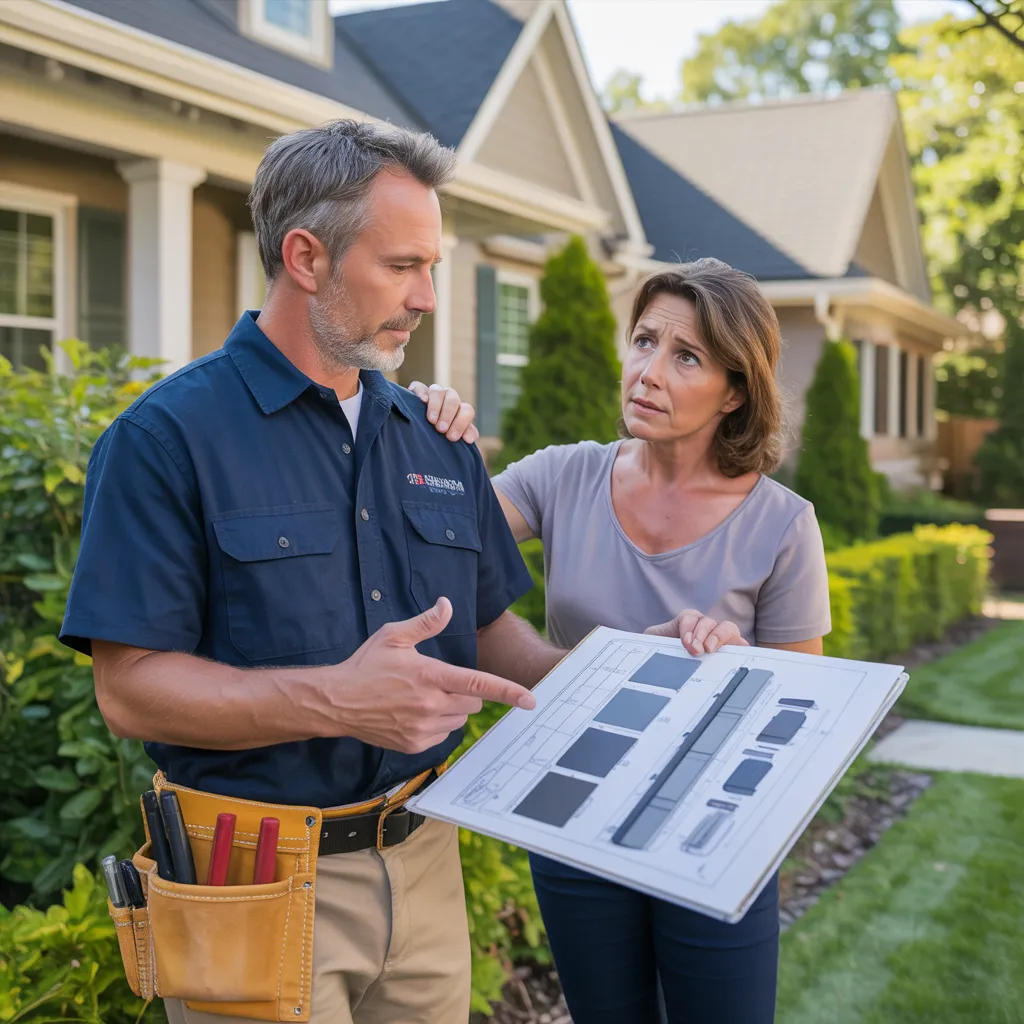
Understanding Different Roofing Materials
When selecting roofing materials, what considerations should homeowners keep in mind? Numerous options are available, each featuring unique traits, benefits, and limitations. Asphalt shingles are popular for their affordability and ease of installation, making them a common choice for many residential projects. Metal roofing, recognized for its long-lasting nature and energy-saving properties, is ideal for those prioritizing extended lifespan and decreased cooling expenditures. Clay and concrete tiles deliver decorative beauty and demonstrate resistance to a range of weather elements, though they tend to be heavier and more expensive. Wood shakes offer organic visual appeal but necessitate routine care to guard against rot. Homeowners need to also weigh local weather patterns, structural aesthetics, and cost restrictions. At the end of the day, the decision regarding roofing material should correspond with personal desires and real-world necessities, achieving a harmony between performance and aesthetic quality while boosting the home's total worth.
How to Evaluate Durability and Longevity
Assessing longevity and resilience in roofing materials is vital for homeowners seeking to make an informed decision. To evaluate these factors, one should consider the material's capacity to endure environmental elements such as wind, rain, and hail. For instance, metal roofs frequently surpass asphalt shingles when it comes to durability, commonly enduring over 50 years given adequate upkeep.
One other key factor is the manufacturer's guarantee, which can provide insights into anticipated longevity Premier Roofing & Exteriors and resilience. It is also important for homeowners to consider the surrounding environmental conditions, as particular materials often work more efficiently in particular settings. For example, clay tiles hold up well against intense heat and cold, rendering them a great choice for warmer climates.
Furthermore, gathering specialist feedback and reviews can support the analysis of performance history. Ultimately, choosing materials that align with both regional demands and personal preferences guarantees a durable roofing solution that protects homes for years to come.
Price vs. Worth in Roofing
Comprehending the relationship between price and value in roofing materials is integral to reaching well-informed choices. Homeowners often face the dilemma of reconciling short-term expenditures with long-term gains. While cheaper materials may reduce preliminary expenditures, they may prove lacking in longevity and demand more frequent substitutions, eventually raising total costs. In contrast, opting for superior-quality materials can deliver meaningful financial benefits over time through improved durability and lower upkeep requirements.
Value further incorporates factors such as visual appeal and energy performance. Better-insulated roofs can reduce energy costs, offering a return on investment that exceeds the initial expenditure. Additionally, a visually striking roof can increase a home's overall market worth. Therefore, assessing roofing choices should go beyond price and take into account long-term benefits and possible savings. In the end, a thoughtful assessment of cost versus value will lead to more satisfactory roofing choices.
Choosing the Right Roofing Style for Your Home's Architecture
How can homeowners guarantee their roofing style complements their home's architecture? Selecting the right roofing style is fundamental for achieving aesthetic harmony and enhancing curb appeal. Homeowners should first consider their home's architectural design. To illustrate, a modern home tends to work well with flat or low-slope roofs, while timeless styles like Colonial or Victorian are best suited to gable or hip roofs.
Additionally, the local environment plays a crucial role. Properties near the coast might select materials resistant to salt and moisture, while those in frigid climates may benefit from roofs engineered to manage snow accumulation. Color matching is equally important; a roof should harmonize with the exterior palette to produce a seamless visual effect. Seeking advice from architectural experts or professionals can yield important perspectives, making certain that the decided roofing solution not only reflects personal design preferences but also respects the integrity of the home's architecture.
Maintenance Recommendations for Your Selected Roof Material
Regular upkeep of roofing systems is critical for prolonging their durability and guaranteeing optimal functionality. Homeowners should carry out regular inspections, optimally on a biannual basis, to detect possible problems such as damaged shingles or debris accumulation. Clearing drainage channels and downpipes avoids water-related damage and supports effective drainage. For asphalt shingles, maintaining proper airflow can minimize thermal buildup, which may lead to material degradation. Steel roofing systems need regular examinations for rust or loose fasteners, while tile roofs should be assessed for fractured roofing tiles.
In addition, maintaining trimmed trees away from the roof reduces the risk of falling branches and limits moss or algae growth. If needed, swift repairs should be performed to keep minor issues from escalating. Ultimately, consulting a professional for routine maintenance or inspection can offer expert guidance and ensure that the roofing material stays in outstanding condition, enhancing the home's overall value and safety.
Frequently Asked Questions
What Environmental Effects Do Various Roofing Materials Have?
Various roofing materials carry distinct environmental consequences. Asphalt shingles contribute to landfill waste, but metal roofs present a recyclable alternative. Green roofs offer insulation benefits, but their installation can be resource-intensive, underscoring the importance of thoughtful material selection.
How Do Weather Conditions Affect Roofing Material Performance?
Weather plays a significant role in the performance of roofing materials. Extreme temperatures can cause expansion or contraction, as heavy precipitation such as rain or snow may result in leaks. Strong winds can lift or deteriorate materials, reducing their durability and functional effectiveness with time.
Can I Install New Roofing Over Existing Materials?
That's correct, roofing installations can be completed over existing materials, provided the structure is sound and local building codes allow it. This method can save time and costs, though a careful inspection is critical to confirm the roof's durability.
What Types of Warranties Are Commonly Available for Roofing Materials?
Standard warranties for roofing materials encompass manufacturer warranties, usually covering material defects for periods ranging from 20 to 50 years, and installation warranties, covering periods of one to ten years, based on the contractor selected, ensuring installation quality and material performance.
How to Choose a Reliable Roofing Contractor
To identify a reliable roofing specialist, one should research reviews, check licenses and insurance, request detailed estimates, and maintain clear communication. Personal referrals and reviewing previous work can further build confidence in the contractor's capabilities.